
Patients: 44 patients (41 patients with knee ostearthritis of the second stage, 3 patients with knee ostearthritis of the third stage)
Study design: 1 group – Vitafon therapy added to non-steroidal anti-inflammatory drugs (NSAIDs) that are already taken
Study duration: 2 weeks (10 sessions for 15 minutes)
Medical device: Vitafon-T
Research methods: Assessment using VAS scale, measurement of circumferences of the knee joints , functional tests (Timed Up and Go test (TUG test, number of painlessly performed squats, the average time of free walking over 6-metre distance test; the test of the number of knee bends done without experiencing discomfort and/or pain)
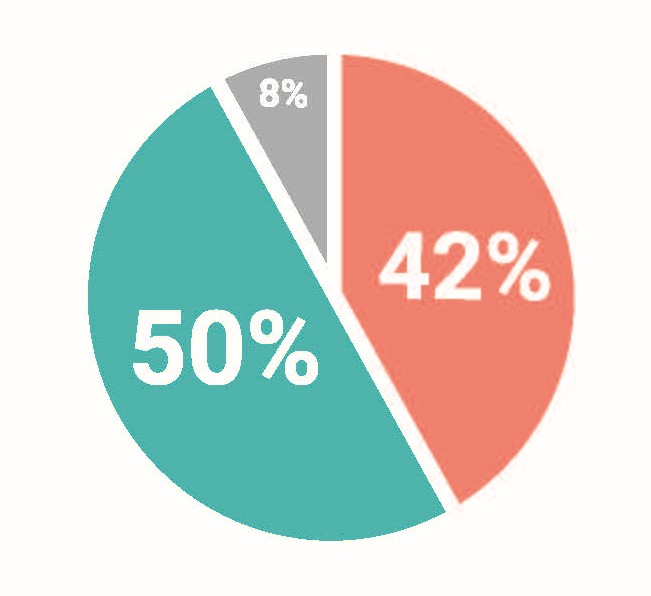
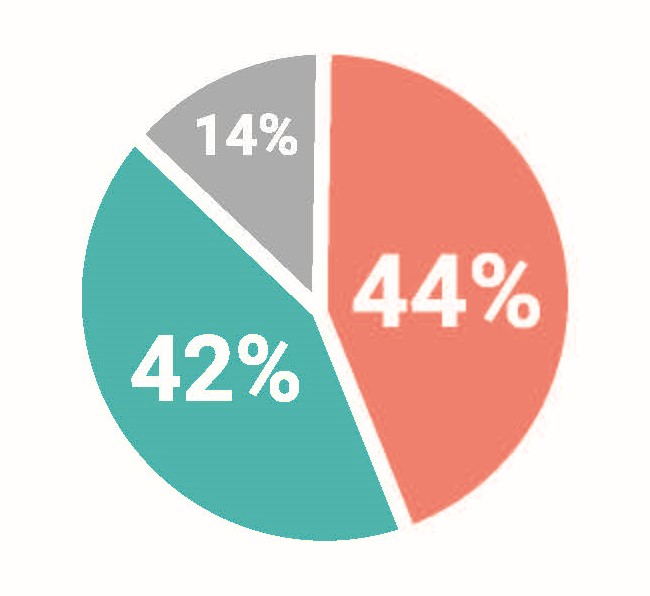
Differences in the frequency of use of NSAIDs by the Laitinen scale
(n = 20).
Differences in the level of perceived pain (VAS)
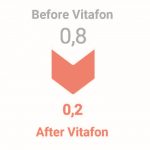
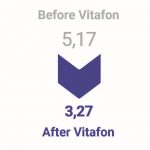
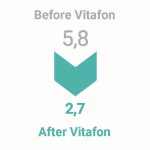
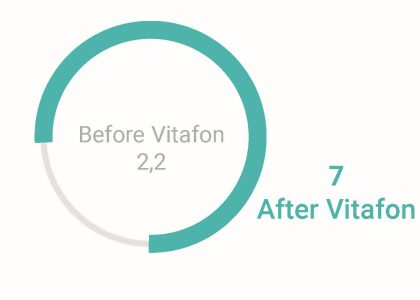
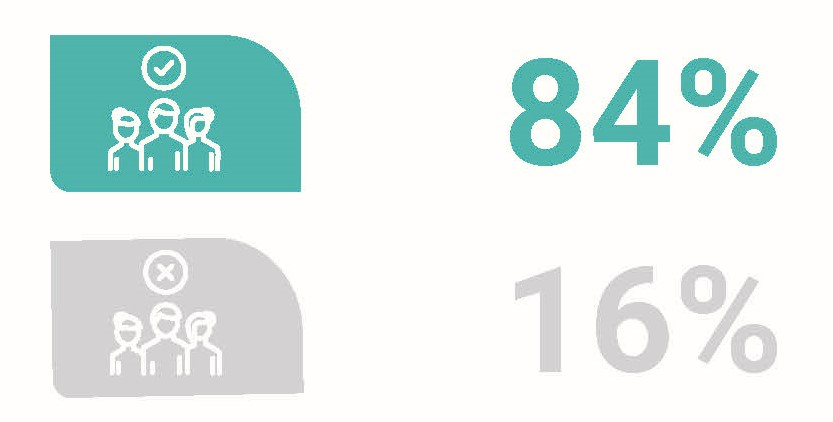
(n = 44). After therapy (in 14 days), joint pain decreased by 1.9 points in 77% of patients.
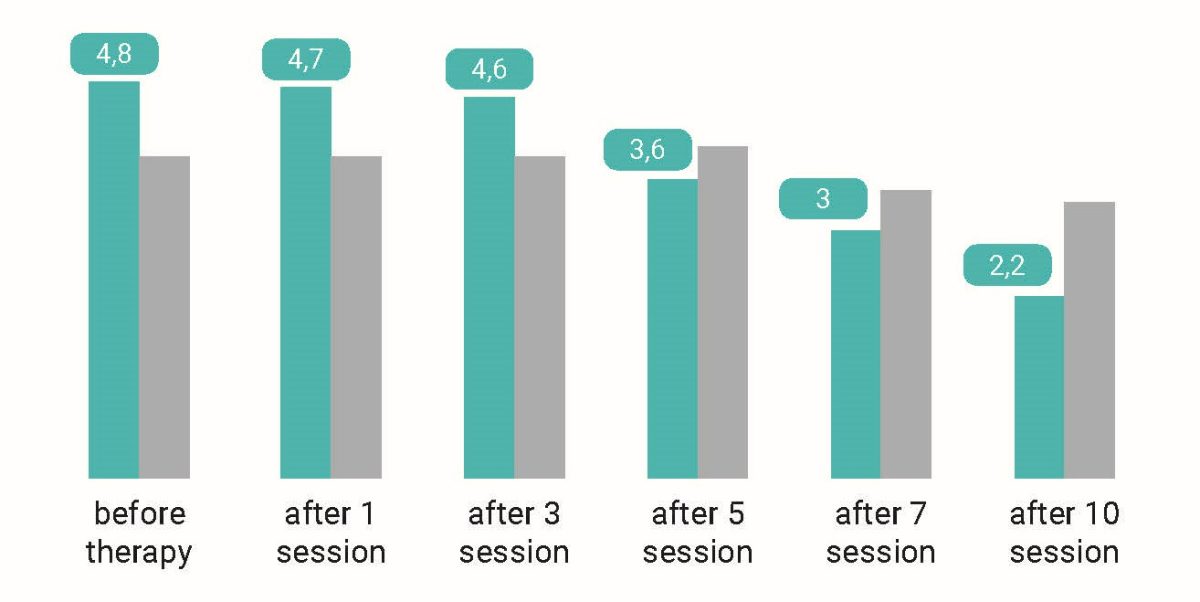
Decrease in the frequency and pain intensity by the Laitinen test
t (n = 20, randomly selected)
Differences in the results of the squat test.
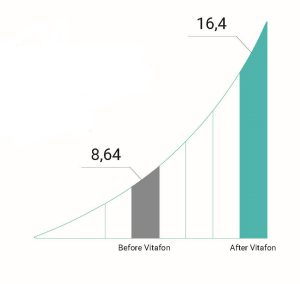
The squat test revealed a rising tendency by 5 squats.
Increase in the number of painlessly performed squats.
Initially, 38.5% of patients were unable to perform any squats.
After the therapy the number of painlessly performed squats significantly increased – in 82% of patients.
In cases of arthritis and osteoarthritis, therapy with Vitafon devices –
• Reduces pain: observed pain reduction by 1.9 points on VAS in 77% of patients.
• Reduces swelling: reduction in joint circumference by an average of 0.88 cm in 91% of patients.
• Improves patients’ functional capabilities: for example, reducing the time taken to complete the TUG test by an average of 1 second in 96% of patients, increasing the number of pain-free movements.
In cases of arthritis and osteoarthritis, therapy with Vitafon devices –
Patients: 40 patients, suffering degenerative knee disease for at least 5 years
(Lesion progression included grades 2, 3 and 4 on the Kellgren-Lawrence scale)
Study design: Main group (А) – 20 patients – Vitafon therapy, cryotherapy, ultrasounds
Control group (B) – 20 patients – only cryotherapy, ultrasounds
Study duration: 2-week therapy
Medical device: Vitafon-T
Research methods: Assessment of pain intensity using the WOMAC questionnaire, measurement of the knee joint diameters
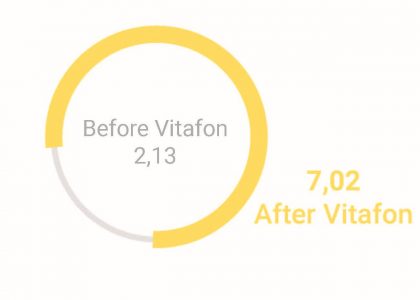
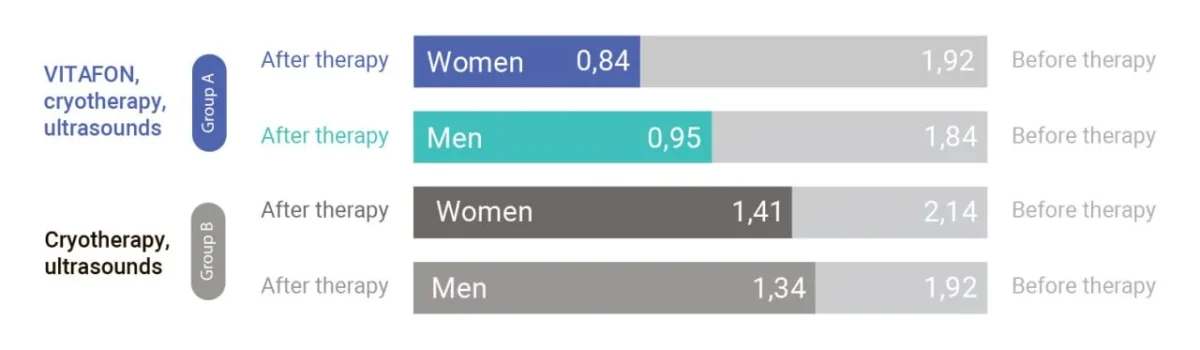
A comparison of pain intensity according to the WOMAC questionnaire
In the Vitafon group pain decreased by 1.08 (women) and 0.89 (men) points.
In the group without Vitafon pain decreased by 0.73 (women), 0.58 (men) points
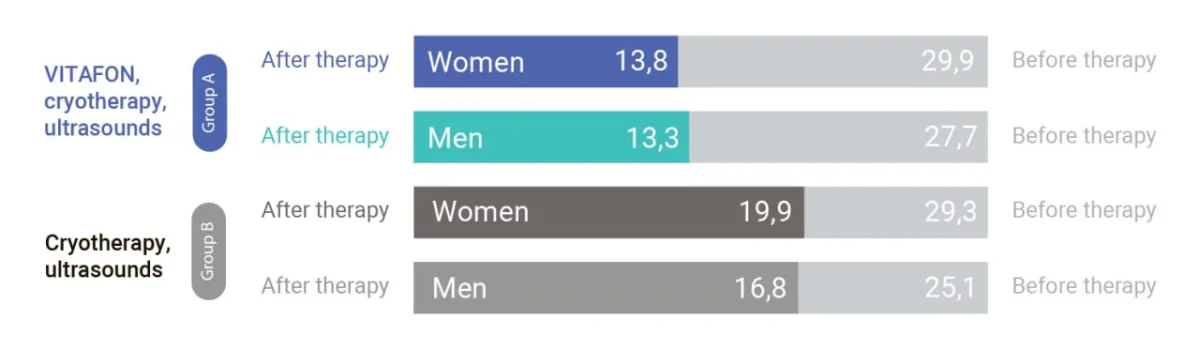
Dynamics in patients’ difficulties to perform daily activities according to the WOMAC questionnaire.
In the Vitafon group: decreased by 16,1 (women), and by 14,4 (men) points.
In the group without Vitafon: decreased by 9,4 (women), 8,3 (men).
Patients: 60 patients
Study design: Main group – 40 patients – Vitafon therapy
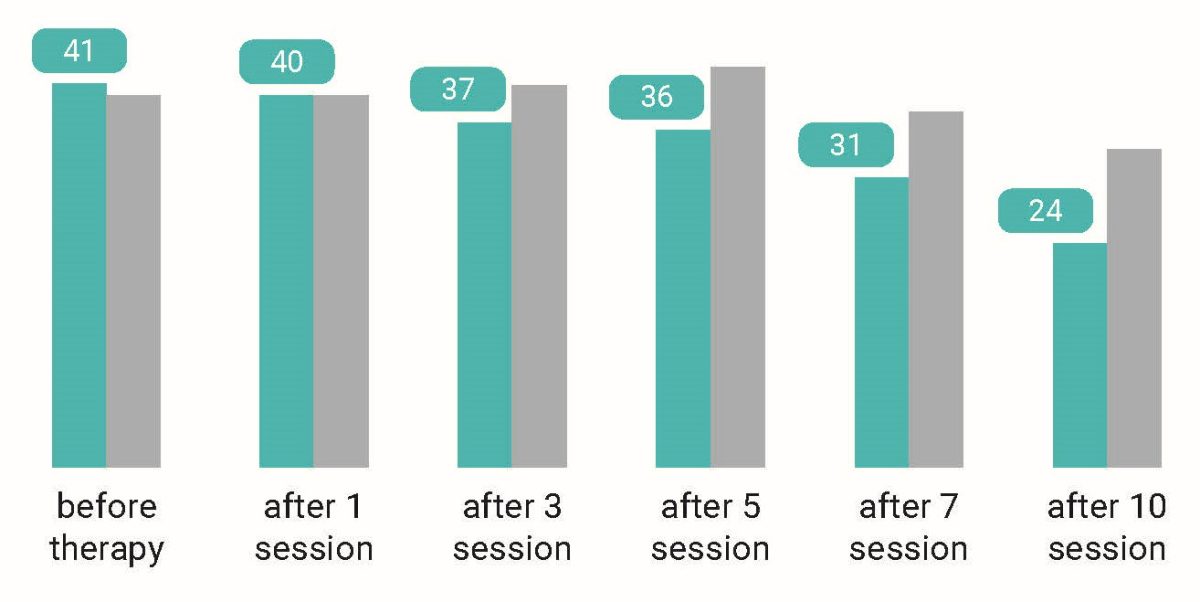
Control group – 20 patients – ultrasound and laser therapy
Study duration: 2-week therapy
Medical device: Vitafon-T
Research methods: Assessment of pain intensity according to VAS, McGill Pain Questionnaire questionnaire, measurement of the knee joint diameters
Dynamics of pain intensity scored by VAS scale.
In the Vitafon group, the score in the study patients decreased by about 2.6 points according to the VAS scale, compared to reduction of as little as 0.6 points in the ultrasound and laser therapy.
Dynamics of pain intensity scored by McGill questionare.
In the Vitafon group, the score in the study patients decreased by about 17 points according to the McGill questionnaire, compared to reduction of as little as 6 points in the ultrasound and laser therapy.
Patients: 40 patients (professional drivers) with low back pain syndrome
Study design: 4 comparison groups:
1 group (10 patients) – magnetostimulation with Viofor system twice a day;
2 group (10 patients) – magnetostimulation with Viofor system and vibroacoustic with Vitafon-2;
3 group (10 patients) – vibroacoustic therapy (VAT) with Vitafon-2 twice a day;
4 group (10 patients) – vibroacoustic (VAT) and infrared (IR) therapy with Vitafon-2
Study duration: 2-week therapy (10 day procedures)
Medical device: Vitafon-2 (vibroacoustic therapy (VAT) and infrared (IR) stimulation)
Research methods: Assessment of pain intensity using VAS, spinal mobility using the Schober’s test,
Moll and Wright tests, quality of life assessment using Euro Qol (EQ5D)
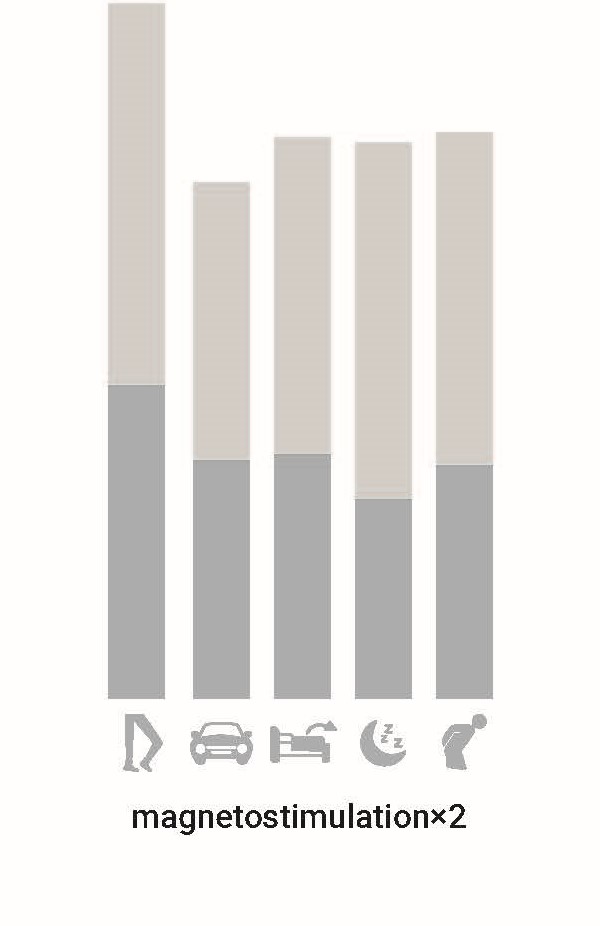
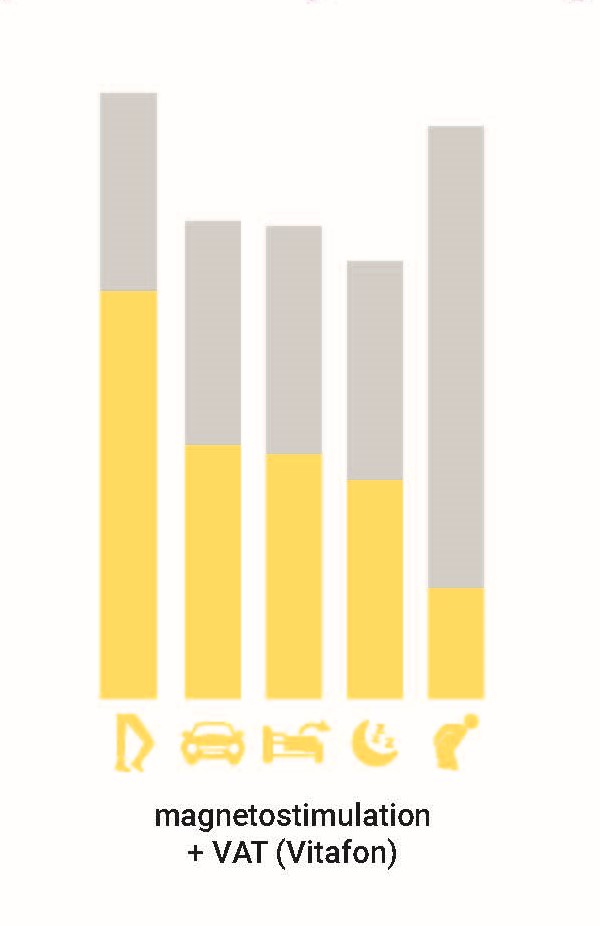
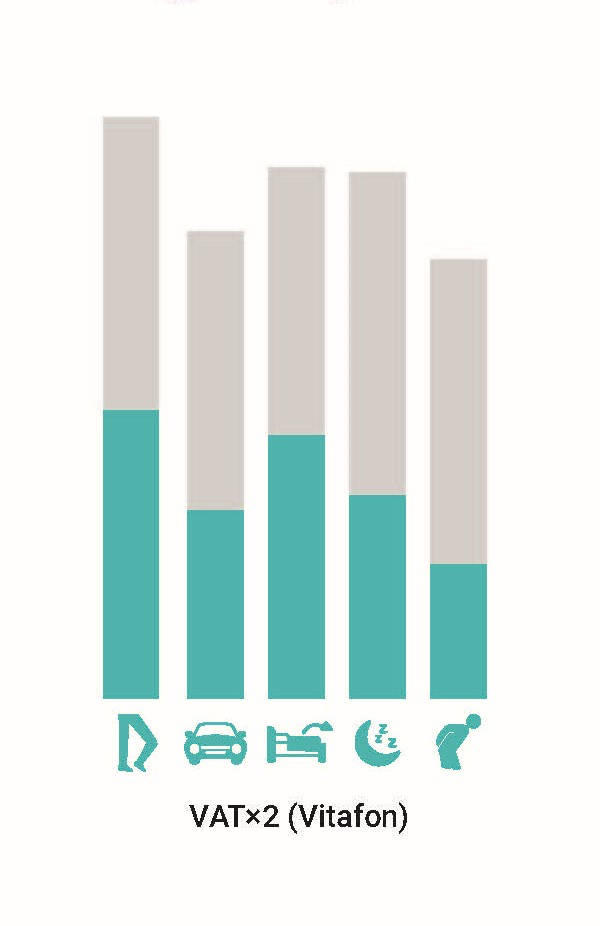
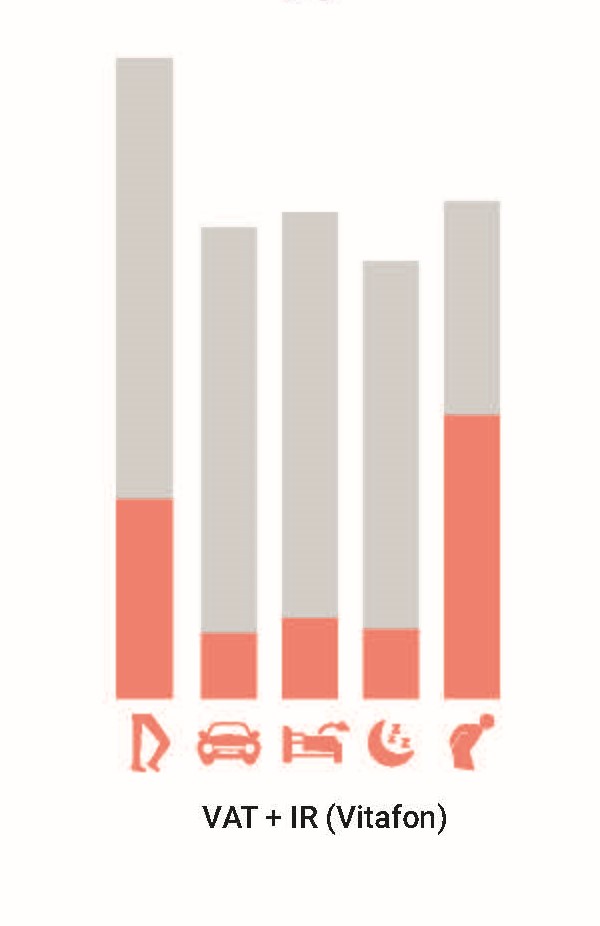
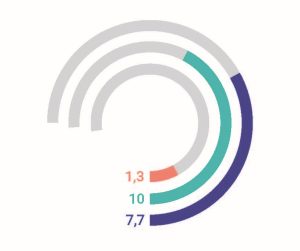
Assessment of pain intensity according to VAS (points) before and after therapy.
This diagram shows high results in pain reduction when using combined Vitafon-2 therapy (infrared and vibroacoustic).herapy.
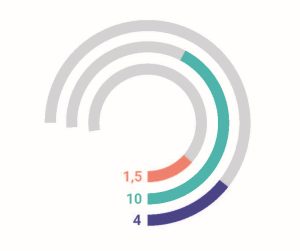
Increase in spinal mobility (cm).
This diagram shows high results in pain reduction when using combined Vitafon-2 therapy (infrared and vibroacoustic).herapy.
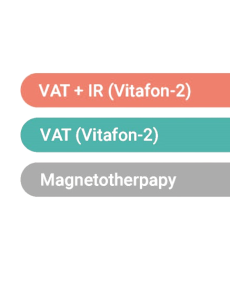
magnetostimulation×2
magnetostimulation
+ VAT (Vitafon)
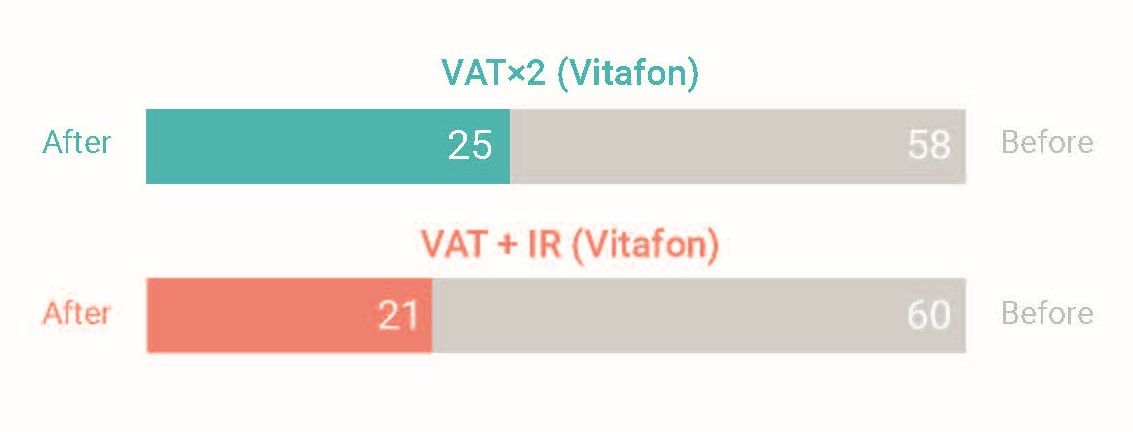
VAT×2 (Vitafon)
VAT + IR (Vitafon)
According to Schober’s test, Moll and Wright test spinal mobility improves in all cases when Vitafon-2 therapy is done: e.g. flexion increases by 10 cm after therapy.
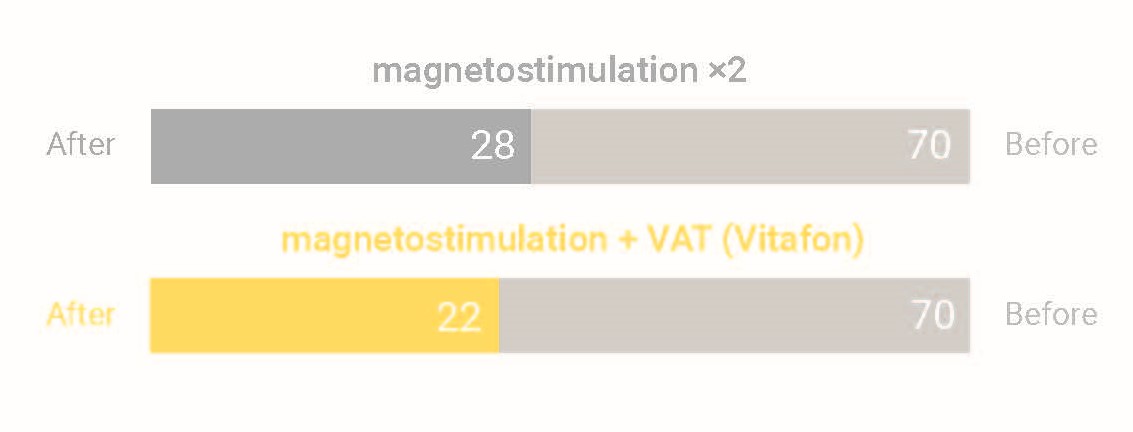
Pain level reduction by VAS scale (%).
The results of pain intensity assessment using VAS demonstrate the excellent potential of Vitafon-2 in pain reduction (especially using its infrared radiation function).
The use of Vitafon-2 alone, both with and without the use of IR stimulation, results in significant improvements in spinal mobility. Additionally, the device complements magnetic stimulation very well.
Therefore, Vitafon-2 can effectively support patients at HOME in reducing pain, improving (maintaining) spinal mobility, and enhancing their quality of life.
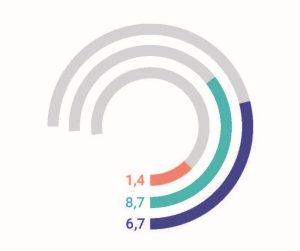
Reduction in pain level according to VAS (%).
The total manifestation of pain symptoms decreased:
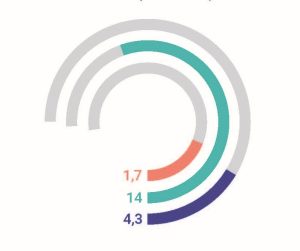
— in the group with combined vibroacoustic and IR stimulation by 39%
— in the group vibroacoustic and magnetostimulation by 33%
— in the group double vibroacoustic stimulation by 48%
— in the group double magnetostimulation by 42%
Reduction in pain level according to VAS (%).
The total manifestation of pain symptoms decreased:
Patients: 52 women aged 34-58 with chronic low back pain due to strain and/or degenerative changes
Study design: One group (comparison before and after Vitafon therapy)
Study duration: 2 weeks (10 sessions with Vitafon)
Medical device: Vitafon-T
Research methods: Visual analog scale for pain (VAS) and Modified Laitinen Pain Index Questionnaire
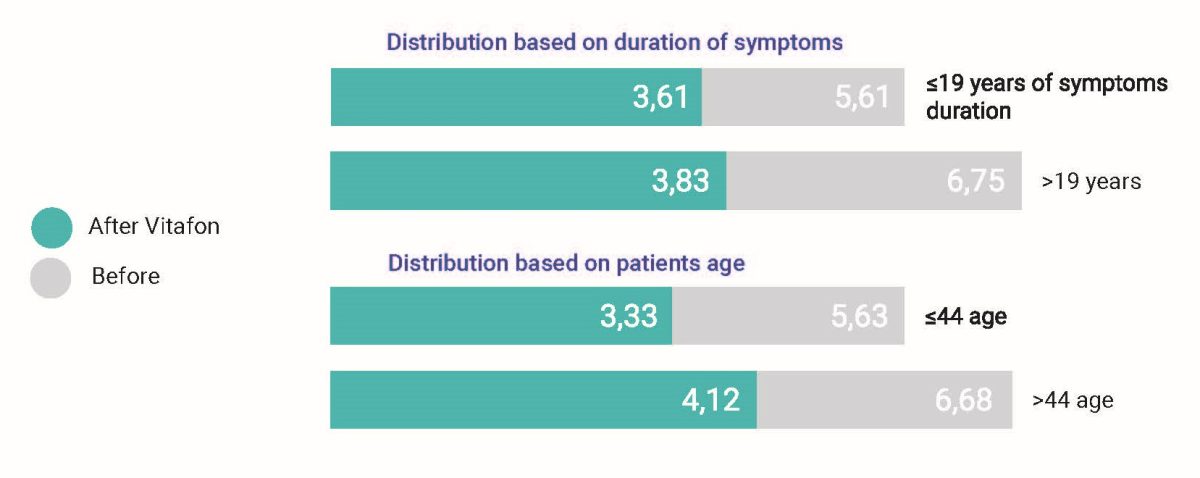
Distribution of pain scores before and after therapy based on duration of symptoms and patient age (mean value).
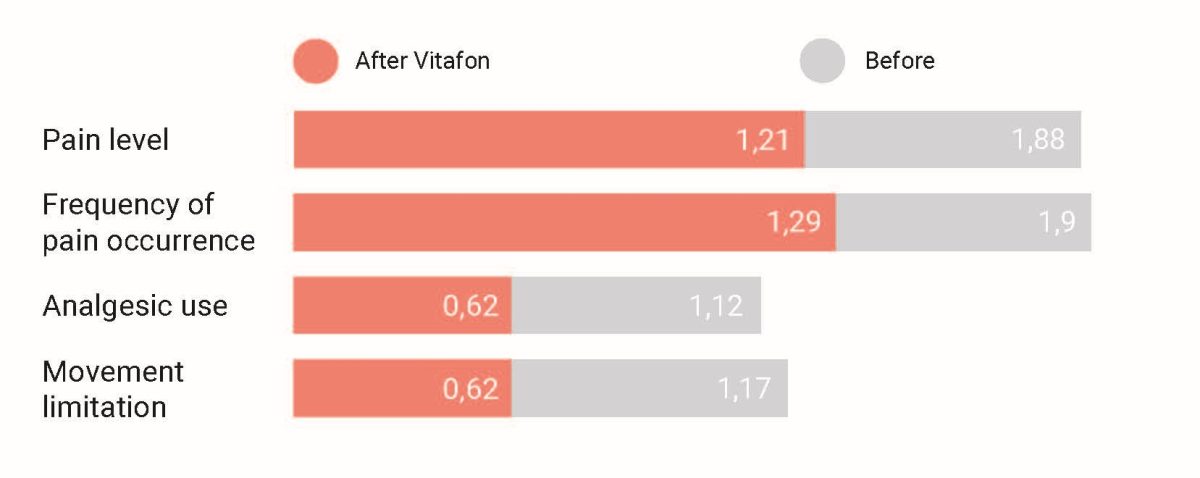
Assessment of pain according to the Laitinen scale before and after therapy by individual parameters (mean value).
The mean value of pain according to VAS scale before Vitafon therapy amounted to 5,81 points, after therapy – 3,38 points.
The total score obtained according to Laitinen Pain Questionnaire before therapy amounted to 316 points, after therapy – 194 points.
Patients: 75 patients with back pain due to degenerative-dystrophic changes of the spine, 32 patients – with compression syndromes, 43 – with reflex syndromes. All patients underwent X-ray and MRI examinations
Study design: One group: comparison of results before, during, and after therapy
Study duration: ~2 weeks (13-14 Vitafon sessions)
Medical device: Vitafon-2 (vibroacoustic and infared stimulation)
Research methods: 1) Local thermometry; 2) evoked potentials of the brain and spinal cord (SEP) on the computer diagnostic
complex «Neuro-MVP»; 3) electromyography (EMG); 4) Laser Doppler flowmetry (LDF); 5) Five-point pain scale
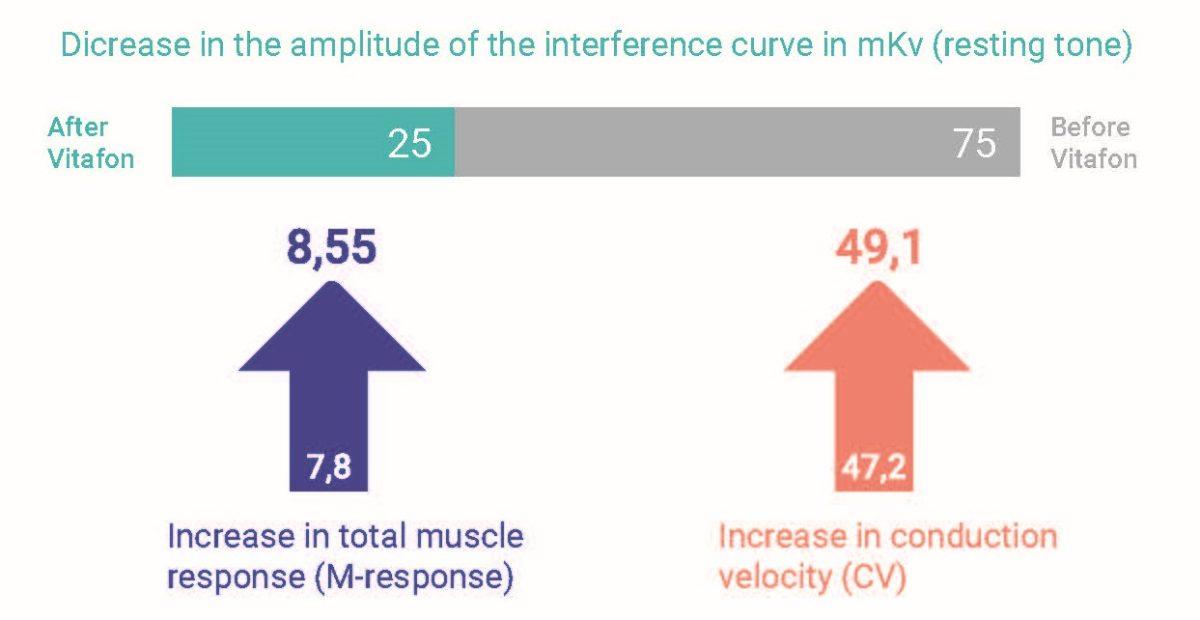
Assessment of the functional state of nerve fibers and muscles (EMG method).
In cases of high muscle tone, vibroacoustic therapy with Vitafon-2 (in any mode) led to muscle relaxation. The myorelaxant properties of Vitafon-2 therapy were confirmed in another study as well.
Positive dynamics were noted
in 63 patients, while clinical effect was absent in 12 individuals.
According to the results of SEP testing in patients with radicular symptoms, improvement in nerve conduction was observed during procedures with Vitafon-2.
Dynamics of microcirculation efficiency index.
At the end of the treatment course, restoration of rhythmic activity of the microcirculature was noted in 86% of cases, accompanied by
a pronounced clinical effect.
The mean value of pain according to VAS scale before Vitafon therapy amounted to 5,81 points, after therapy – 3,38 points.
The total score obtained according to Laitinen Pain Questionnaire before therapy amounted to 316 points, after therapy – 194 points.
Patients: 123 patients with reflex and compression syndromes of osteochondrosis, with disease duration ranging from several months to 39 years. Scoliosis, spondylosis, osteoporosis, hernias present in all groups
Study design: 3 groups (all along with basic treatment):
52 – vibroacoustic stimulation with Vitafon-2 (VAT);
50 – vibroacoustic and infrared stimulation with Vitafon-2 (VAT and IR);
21 – control group, receiving magnetotherapy using «Alimp» device
Study duration: 2 weeks (10-14 sessions) + follow-up observations after 6 months in 29 patients
Medical device: Vitafon-2
Research methods: Primary diagnostics (urinalysis, blood test, examination, X-ray, MRI, dermatometry, laser Doppler
flowmetry, surface electromyography, somatosensory evoked potentials method, the Roland-Morris
questionnaire, the Beck depression Inventory
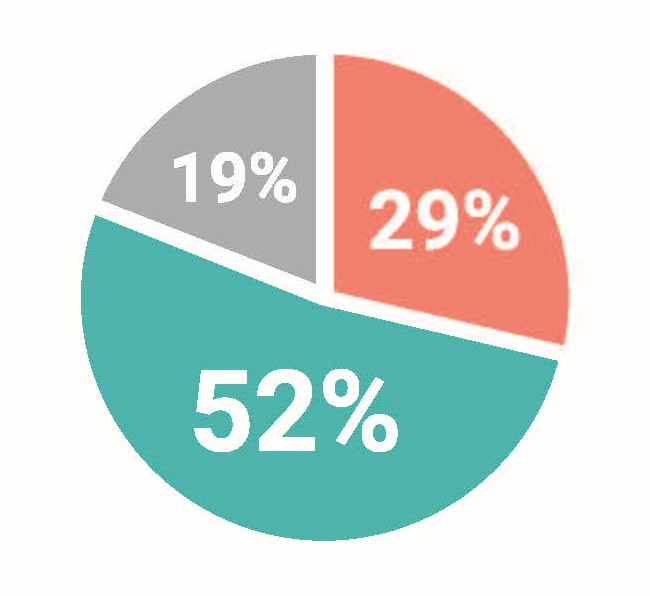
The positive dynamics (pain reduction, increased motor activity, and decreased muscle tone) were presented as follows:
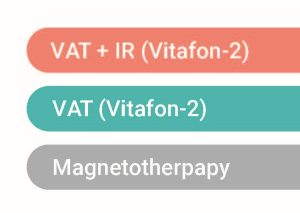
Dynamics in the vibroacoustic and infrared group (Vitafon-2).
Dynamics in the vibroacoustic
group (Vitafon-2).
Dynamics in the magnetotherapy
group.
Regression of neurological symptoms (% who no longer show symptoms).
Regression of neurological symptoms (% whose symptoms are no longer severe).
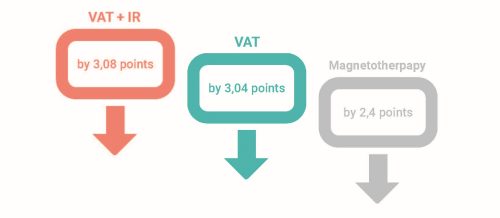
Reduction in pain severity (5-point scale).
Vitafon-2 therapy not only reduces pain intensity but also changes its character. Constant intense resting pain after the course became either moderate or associated with specific movements. In the VAT group, pain was completely relieved in 13% of patients, and in the VAT + IR group, in 8% of patients. In the comparison group (magnetotherapy), pain was relieved in 5% of patients.
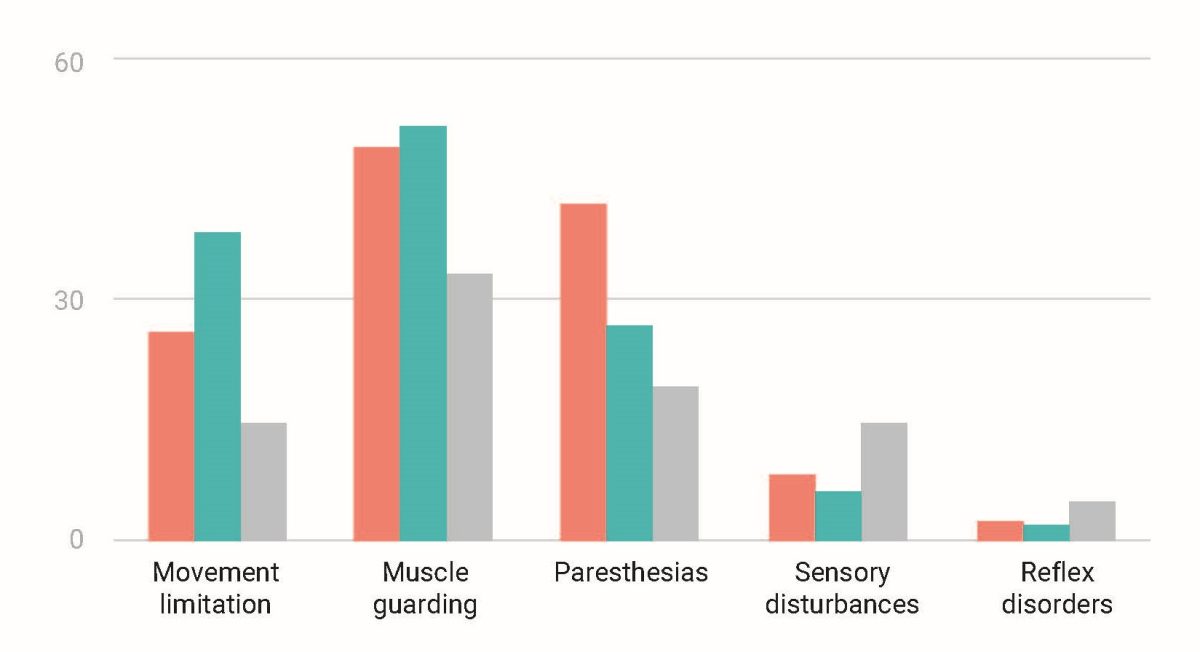
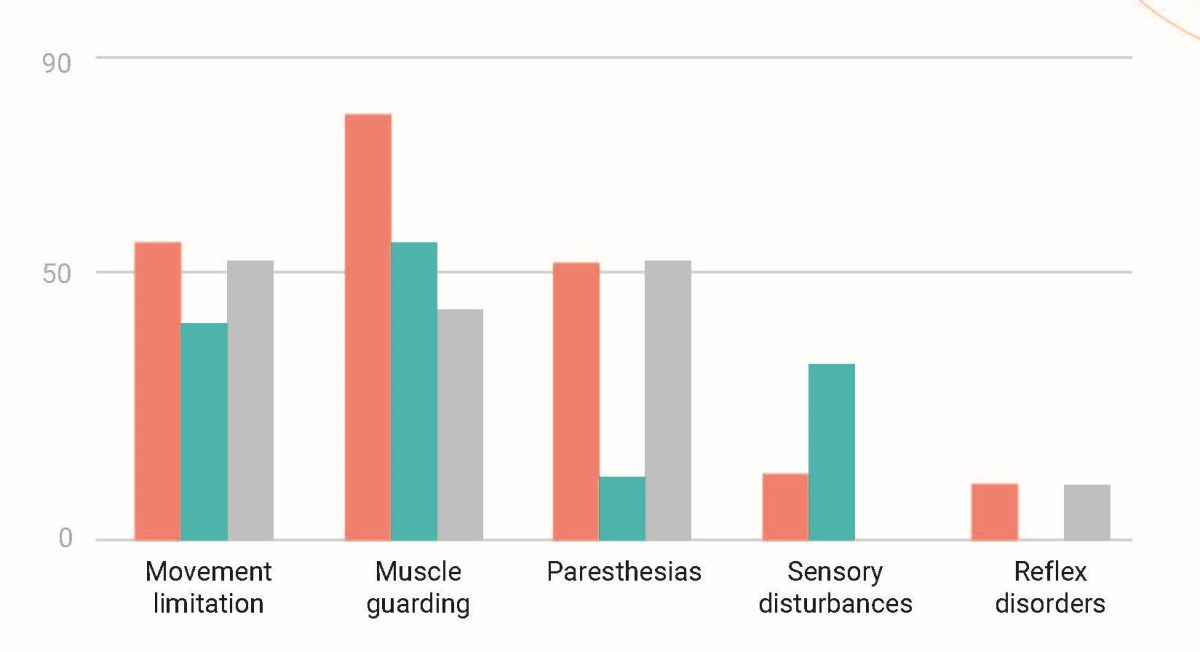
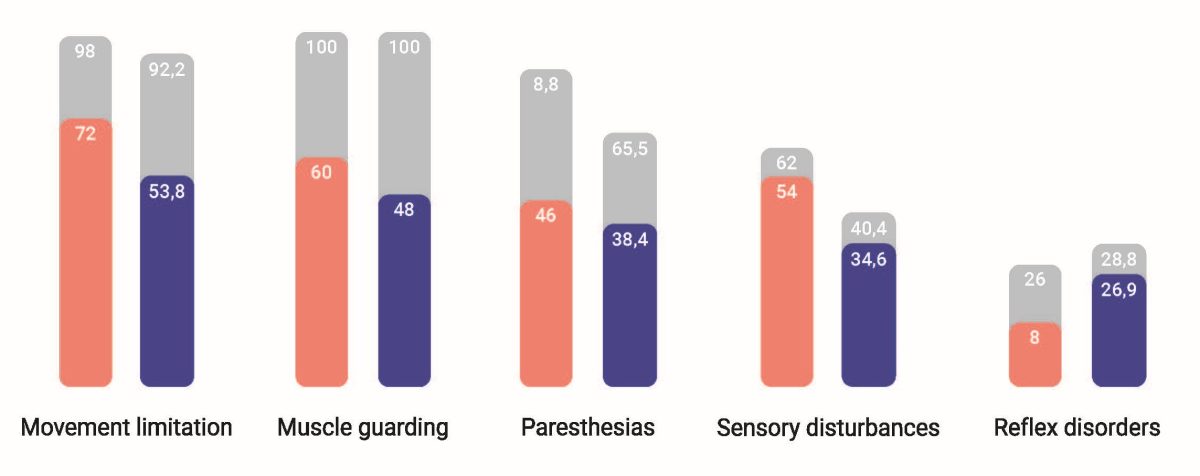
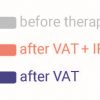
Effects of Vitafon-2 therapy (comparison of vibroacoustic (VAT) and VAT + IR stimulation).
These graphs demonstrate the high effectiveness of vibroacoustic stimulation, as well as infrared radiation in increasing range of motion, relieving muscle tension, and restoring skin sensitivity. Additionally, there are observations of sensory and reflex recovery.
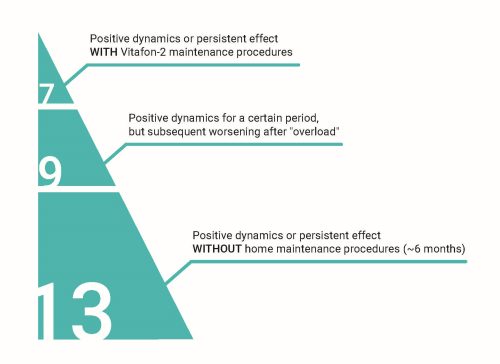
According to the results of selective follow-up observations (29 individuals), regression of neurological symptoms or persistent positive effect (absence of pain) continued for 6 months (in some cases, even 1 year, according to outpatient records) after Vitafon-2 therapy.
Patients: 25 patients with thoracic osteochondrosis with radicular syndrome
Study design: 13 Vitafon groups and piroxicam 20 mg/day
Study duration: 22 weeks (15 sessions)
Medical device: Vitafon
Research methods: Examination, pressure measurement, clinical blood parameters
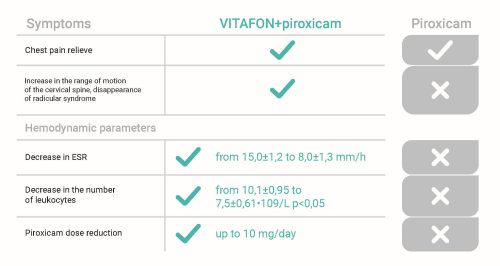
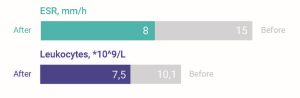
Clinical blood parameters before
and after VITAFON+piroxicam therapy.
Vibroacoustic therapy helps to reduce pain in the chest area, headaches, and neck muscle tension, as well as to increase the range of motion of the cervical spine and relieve radicular syndrome. Hemodynamic parameters also improved.
Patients: 20 patients with dyscirculatory encephalopathy of 1-2 stages and initial manifestations of cerebrovascular insufficiency in 1999, and another 80 patients
Study design: 20 patients: comparison before and after therapy (1999);
60 patients VAT and 20 patients – control group
Study duration: 2 weeks (10 sessions and 5 moths of follow-up observations)
Medical device: Vitafon
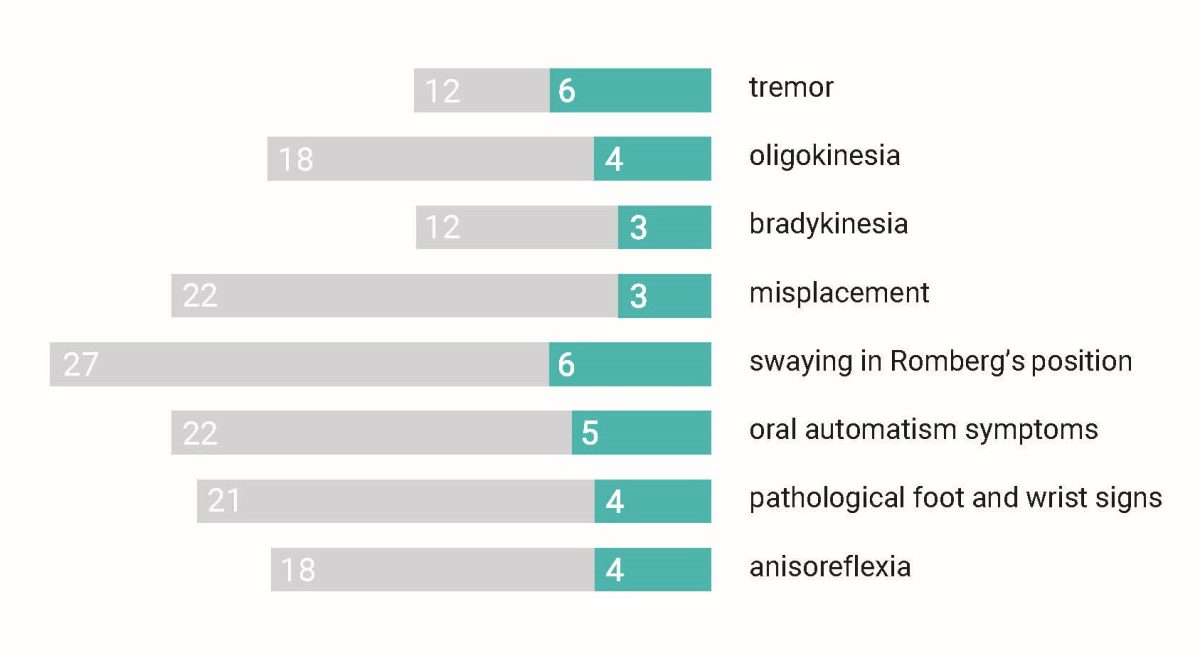
Research methods: Comparison of the manifestation of symptoms (anisoreflexia, etc.), biomicroscopy of the anterior segment of the eye, Holter ECG monitoring, Doppler echocardiography examination, triplex scanning of brachiocephalic arteries, indicators of psycho-physical tests of the autonomic nervous system
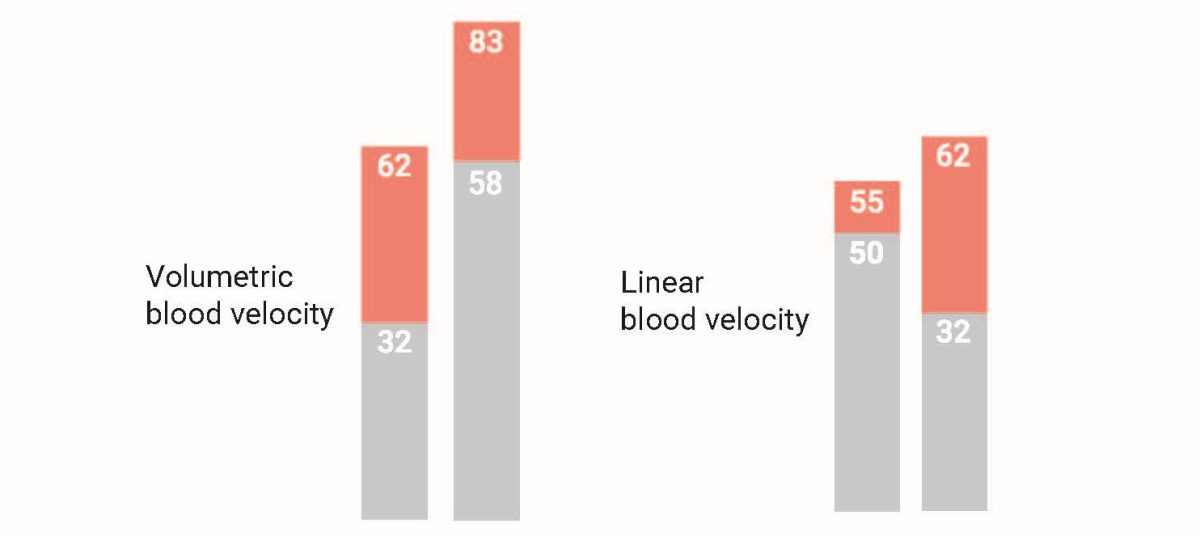
According to the research findings, the hemodynamic parameters
improved as follows:
• Blood flow in the vessels supplying the brain improved (demonstrated by the data
from triplex scanning of the branches of the brachiocephalic arteries).
• Cardiovascular system function improved, evidenced by a reduction
in left ventricular myocardial stiffness.
Coordination before and after Vitafon treatment (scores).
Noted improvements include:
• Regression of Parkinsonian disorders: revival of facial expressions, enrichment of accompanying movements, increased speed of voluntary movements, normalization of walking, reduction in the severity of propulsive and retropulsive movements, cessation of unexplained falls.
• Improvement in memory and attention.
• Increase in strength in paretic muscles to 4.5-5 points compared to the initial 3.5-4 points.
• Increase in range of motion in the limbs.
These results were stable and long-lasting, observed over a period of 1-5 months.
The dynamics of the brachiocephalic
artery triplex scanning data (%).
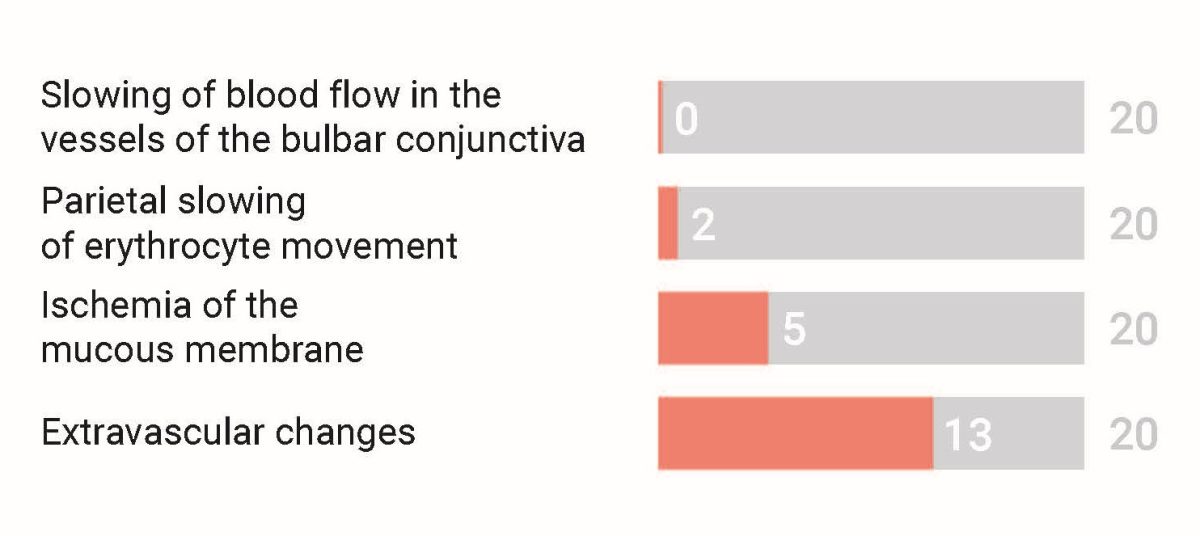
Dynamics of ocular microcirculation
(number of patients with symptoms).